Trimbakeshwar
Available Daily
Kumbh Vivah / Ark Vivah Puja
Kumbh Vivah / Ark Vivah – Vedic Ritual for Manglik and Nadi Dosh Resolution
In the Sanatan tradition, marriage is considered a sacred sacrament. However, sometimes due to Mangal Dosh, Nadi Dosh, or other marriage-obstructing planetary combinations in the horoscope, delays or obstacles arise in actual marriage. In such a situation, the help of a symbolic Vedic ritual like Kumbh Vivah or Ark Vivah is taken.
In these rituals, a symbolic marriage of the bride or groom is performed with an earthen pot (Kumbh) or the Ark (Aak/Calotropis) tree, after which the pot or tree is immersed (Visarjan). Scriptural belief says that this reduces the effect of Mangal Dosh or Nadi Dosh and removes the obstacles coming in the way of actual marriage.
On this page, we are providing you with complete information about the causes, significance, procedures, required materials, and auspicious timings for Kumbh Vivah and Ark Vivah. This is a faith-based traditional ritual, not a guarantee of marriage.
What is Kumbh Vivah / Ark Vivah?
- Definition: In Kumbh Vivah, the symbolic marriage of the bride or groom is performed with an earthen pot (Kumbh), while in Ark Vivah, this marriage is performed with the Ark (Aak) tree. The purpose of both these rituals is to pacify the existing Mangal Dosh, Nadi Dosh, or other marriage-obstructing combinations in the horoscope.
- Meaning & Significance: It is believed that through this symbolic marriage, the effect of the Dosh is transferred to that inanimate object (pot/tree), thereby reducing the obstacles coming in the actual marriage.
- Scriptural Significance: In the Skanda Purana and other religious texts, such symbolic marriage rituals are mentioned for the resolution of marriage-obstructing planetary combinations, which have been going on as a tradition since ancient times.
- Spiritual Significance: This ritual is a remedy performed with faith and belief, which generates positivity and self-confidence in a person's mind regarding the obstacles related to marriage.
Reasons for the Need of Kumbh Vivah / Ark Vivah
- Presence of severe Mangal Dosh in the horoscope.
- Presence of Nadi Dosh in the horoscopes of the bride and groom.
- Presence of other marriage-obstructing planetary combinations in the horoscope.
- The custom of performing this ritual before marriage according to family tradition.
- Recurring unclear obstacles in marriage.
Symptoms and Signs
- Repeated breaking or delaying of marriage proposals.
- Obstacles arising at the last moment even after the relationship is fixed.
- Confirmation of Mangal or Nadi Dosh in horoscope matching by an astrologer.
- Constant confusion in the family regarding marriage-related decisions.
Effects on Different Areas of Life
- Marriage: This ritual is mainly performed to resolve obstacles related to marriage, with the belief that it smoothens the path to marriage.
- Family Life: The anxiety and confusion regarding marriage in the family are reduced, creating a possibility for a positive environment.
- Mental Peace: One can experience a reduction in the stress and anxiety caused by the delay in marriage.
- Marital Life: It is believed that this ritual is helpful in increasing harmony in marital life after marriage.
- Health: There is a belief that it reduces the possibility of accidents or aggression associated with Manglik Dosh.
- Spiritual Peace: This ritual performed with devotion increases the feeling of faith and positivity in the mind.
Who should perform this Pooja?
- Those who have severe Mangal Dosh or Nadi Dosh in their horoscope.
- Those whose marriage proposals are repeatedly breaking.
- Those who want to perform this ritual before marriage according to family tradition.
- Those who have been suggested this remedy by an astrologer during horoscope matching.
Note: Before performing this ritual, definitely get the horoscope matching and the actual state of the Dosh checked by an experienced astrologer.
Benefits of Kumbh Vivah / Ark Vivah
- Considered helpful in pacifying Mangal Dosh and Nadi Dosh.
- An effort made with devotion to remove obstacles coming in marriage.
- Possibility of reducing marriage-related anxiety in the family.
- Considered helpful in increasing harmony in marital life.
- Experience of mental peace and increase in self-confidence.
Disclaimer: This is a traditional faith-based ritual; it does not guarantee a marriage taking place. The result also depends on an individual's faith and other planetary combinations.
Why is this Pooja important?
Kumbh Vivah and Ark Vivah are considered important in scriptures because they are traditional Vedic remedies for the pacification of severe marriage obstacles like Mangal and Nadi Dosh. Through proper mantra chanting and Sankalp, this ritual is performed before the actual marriage.
Auspicious Time for Pooja
- Auspicious Day: Thursday and Monday are considered particularly suitable.
- Tithi: Dates of Shukla Paksha (waxing moon phase) are considered auspicious.
- Nakshatra: Rohini, Uttara Phalguni, and Swati nakshatras are considered favorable.
- Month: The months of Vaishakha, Magha, and Phalguna are considered especially fruitful.
- Muhurat: The date is determined by an experienced priest after checking the marriage Muhurat according to the Panchang.
Required Pooja Materials (Samagri)
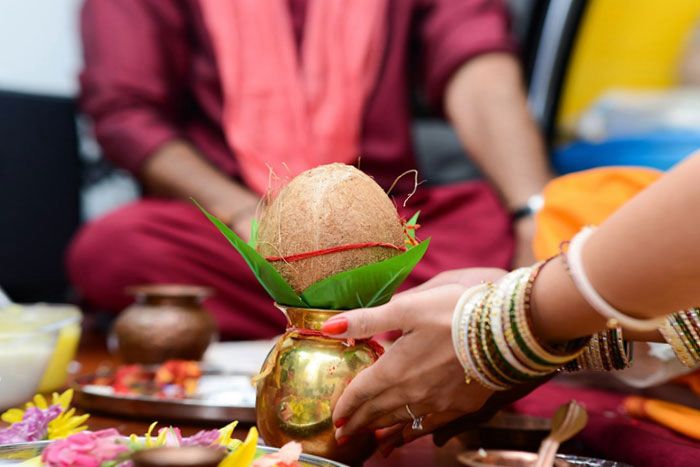
- Earthen pot (Kumbh) or an Ark (Aak) plant
- Clothes and makeup (Shringar) materials required for marriage
- Gangajal and pure water
- Panchamrit (milk, curd, ghee, honey, sugar)
- Turmeric (Haldi), Kumkum, and Akshat (rice)
- Mauli (Kalawa) and Janeu
- Havan materials and ghee
- Fruits, sweets, and Panchmeva (five dry fruits)
- Varmala (garland) or symbolic garland
Pooja Procedure — Step-by-Step Process
- Sankalp: The host takes a vow with their Gotra, name, and purpose.
- Ganesh Pujan: Lord Ganesha is worshipped for an auspicious beginning.
- Kalash/Tree Sthapana: The earthen pot or the Ark tree is duly established.
- Symbolic Marriage: A symbolic marriage of the bride/groom with the Kumbh/tree is performed along with Vedic mantra chanting.
- Havan: The sacred fire is lit, and offerings are made along with Mangal and marriage-related mantras.
- Mantra Jaap: Mantras for the pacification of Mangal Dosh and Nadi Dosh are chanted.
- Aarti: Aarti is performed at the conclusion of the pooja.
- Visarjan (Immersion): The Kumbh or tree is duly immersed, which signifies the symbolic transfer of the Dosh.
- Prasad Distribution: Prasad is distributed after the pooja.
Main Mantras
- Mangal Beej Mantra: Om Am Angarkaya Namah. (Meaning: Praying for peace while bowing to the son of earth, Mangal Dev.)
- Vivah Sankalp Mantra: Om Gauri Shankar Poojyabhyam Namah. (Meaning: Praying for a happy married life while bowing to Mother Gauri and Lord Shankar.)
Duration of the Pooja
Kumbh Vivah / Ark Vivah is generally completed properly in 2 to 3 hours, which includes Sankalp, Ganesh Pujan, symbolic marriage, Havan, and Visarjan.
Where to perform the Pooja?
- At home under the guidance of a proper priest
- In temple premises
- On the banks of a holy river (for immersion)
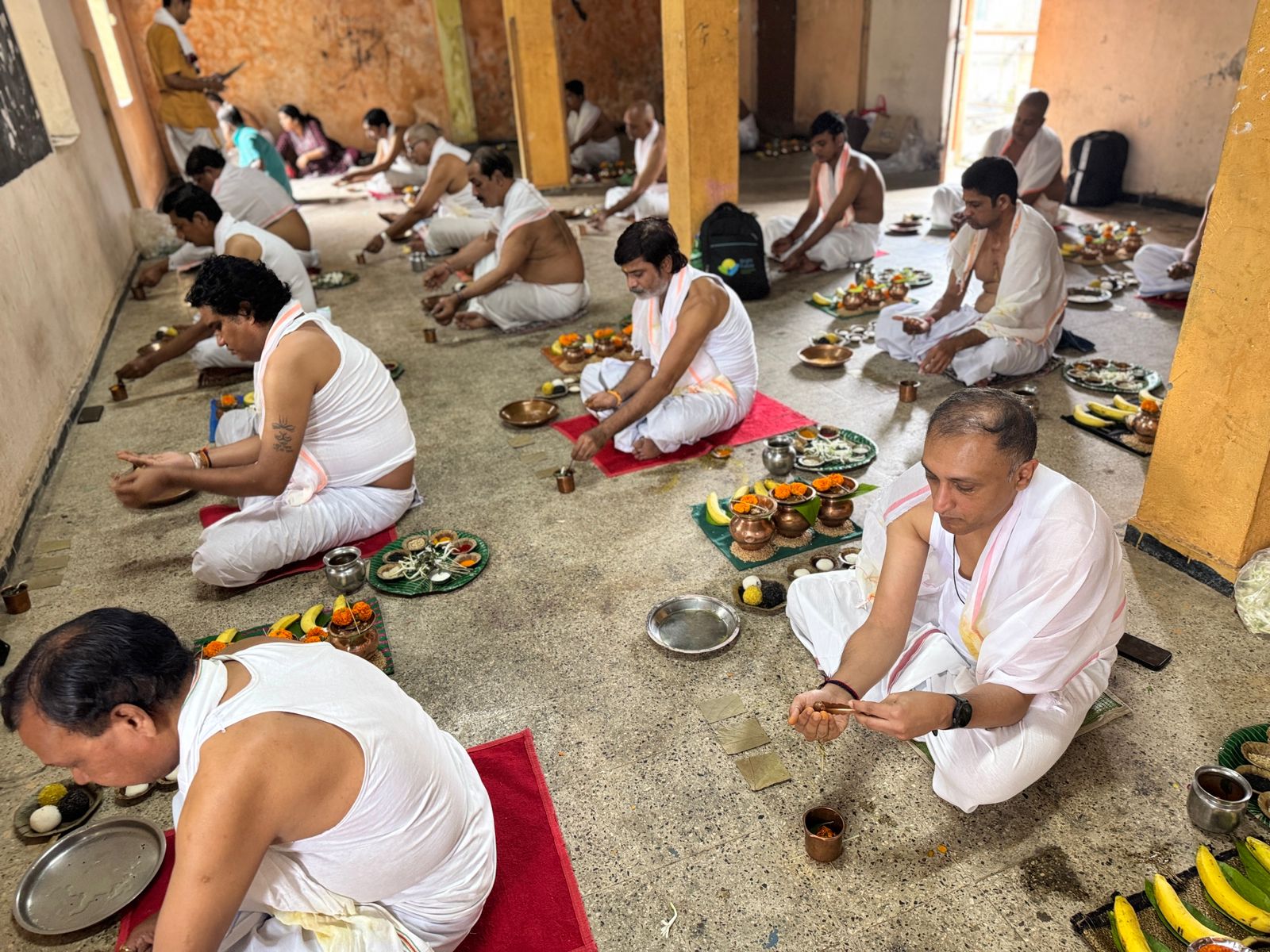
- At pilgrimage sites like Trimbakeshwar, Nashik
Precautions before Pooja
- Consume Satvik food one day before the pooja.
- Maintain purity of mind and speech.
- Gather the materials used in the pooja in advance.
- Follow the Sankalp and rules instructed by the priest.
Rules to follow after Pooja (Parhez)
- Stay away from meat, alcohol, and Tamasic food immediately after the pooja.
- Avoid negative thoughts and arguments.
- Do not disrespect the immersed materials.
- Continue following the rules stated by the priest.
Frequently Asked Questions (FAQs)
- What is the difference between Kumbh Vivah and Ark Vivah? In Kumbh Vivah, a symbolic marriage is done with an earthen pot, and in Ark Vivah with an Ark tree; the purpose of both is the same.
- Can this pooja be done online? Yes, this ritual can also be performed through an online Sankalp.
- Does this ritual guarantee actual marriage? No, it is a faith-based traditional remedy; marriage happening also depends on a person's fate, efforts, and other factors.
- How many times should this ritual be done? Generally, this ritual is done once before the actual marriage.
- How much time does the pooja take? It is generally completed in 2 to 3 hours.
- Is this ritual only for Manglik individuals? It is mainly suggested for individuals with Mangal and Nadi Dosh, but it can also be done in the presence of other marriage-obstructing planetary combinations.
- Is the marriage fixed immediately after the pooja? This is a spiritual remedy; the result can vary depending on the individual and time.
- Can both men and women perform this ritual? Yes, depending on the requirement, either the bride or groom can perform this ritual.
- Which material is most necessary for the pooja? An earthen pot or Ark tree, Havan materials, and marriage makeup items are considered primarily essential.
- Can this ritual be performed only on a specific date? It can be performed in any auspicious marriage Muhurat.
- Is guidance received from the Pandit Ji after the pooja? Yes, after the pooja, necessary guidance is given by the priest.
Why Choose Our Services?
- Pooja performed by 15+ years experienced and scripturally compliant Vedic priests.
- Complete rituals according to authentic Vedic procedures.
- Individual Sankalp including Name and Gotra for each host (Yajman).
- Pooja booking facility available through both online and offline mediums.
- Pooja Darshan via HD live video for interested hosts.
- Clear photo and video recording of the pooja available.
- Transparent and reasonable Dakshina (fee) — without any hidden charges.
- Services available all over India (Pan India Services).
- Necessary guidance and consultation after the pooja.
Call to Action
If obstacles are arising in your marriage due to Mangal Dosh or Nadi Dosh in your horoscope, then consult our experienced priests today and book a proper Kumbh Vivah/Ark Vivah.
We ensure a hassle-free experience for your puja. Please contact us to know the Muhurat (auspicious time) and required Samagri. Our team will guide you through the entire process at Trimbakeshwar.